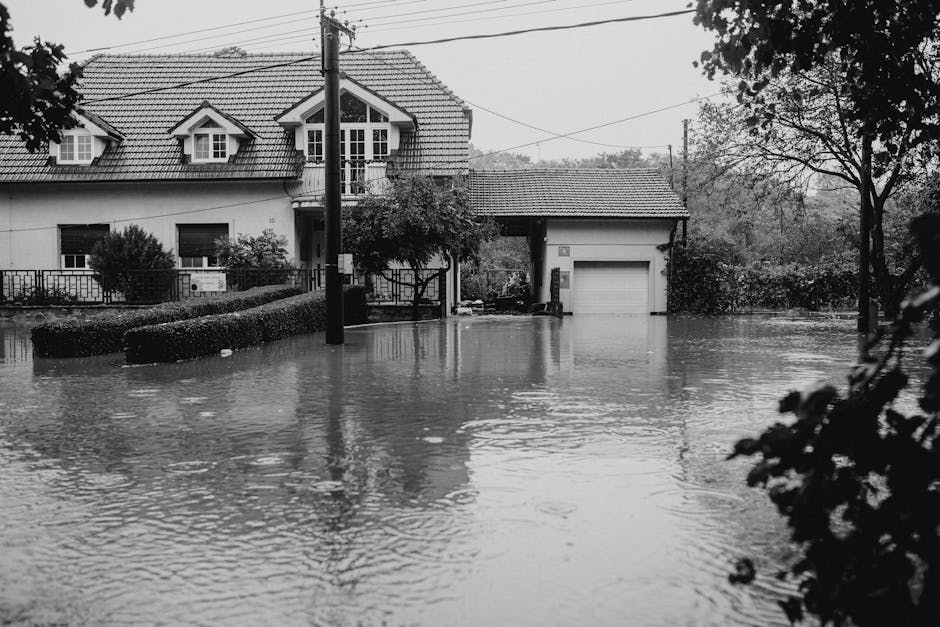
Emergency flood carpet cleaning in Edgware what to know
When water gets into a carpet, the clock starts ticking. Whether it's a burst pipe, washing machine overflow, or storm water creeping in under a door, Emergency flood carpet cleaning in Edgware what to know is not just about getting the floor to look clean again. It's about stopping hidden damage, reducing odours, protecting the underlay, and making sensible decisions before the problem gets worse.
If you're dealing with a flooded room in Edgware right now, you probably want straight answers, not a lecture. Fair enough. This guide explains what emergency carpet cleaning actually involves, how the process works, what to do in the first hour, and where people most often go wrong. You'll also find practical tips for choosing the right help, plus a simple checklist you can use when things feel a bit chaotic. Let's face it, wet carpet has a way of turning a normal day into a small disaster very quickly.
For a wider look at the service background, you may also want to explore our carpet cleaning service and the company's approach to quality, safety, and customer care on the about us page.
Table of Contents
- Why Emergency flood carpet cleaning in Edgware what to know Matters
- How Emergency flood carpet cleaning in Edgware what to know Works
- Key Benefits and Practical Advantages
- Who This Is For and When It Makes Sense
- Step-by-Step Guidance
- Expert Tips for Better Results
- Common Mistakes to Avoid
- Tools, Resources and Recommendations
- Law, Compliance, Standards, or Best Practice
- Options, Methods, or Comparison Table
- Case Study or Real-World Example
- Practical Checklist
- Conclusion
- Frequently Asked Questions
Why Emergency flood carpet cleaning in Edgware what to know Matters
Flooded carpet is one of those problems that looks local and small at first, then spreads its consequences everywhere. Water can move under skirting boards, soak into underlay, and create the kind of damp pocket you don't notice until the smell starts. In a flat, maisonette, or family home in Edgware, that matters even more because homes are often close together, with shared walls, compact layouts, and limited drying space.
The headline issue is simple: the longer the carpet stays wet, the more likely it is that you'll face staining, shrinkage, fibre damage, mould growth, and damage to the floor beneath. A rug or carpet that seems "just damp" can still be holding a surprising amount of water deeper down. You might walk on it and think it's fine. It isn't always fine. Not even close, to be blunt.
Emergency carpet cleaning matters because it helps interrupt that chain of damage. It can remove dirty water, lift contamination, and start the drying process before odour and microbial growth get a foothold. In practical terms, that can mean the difference between a recoverable carpet and a replacement job. And replacement, as you can imagine, is a much more expensive and disruptive conversation.
There's also a health angle. Damp textiles can quickly become unpleasant for anyone with asthma, allergies, or sensitivity to musty environments. If children or pets use the room, you generally want the area stabilised as soon as possible. The aim is not perfection in the first hour. The aim is control.
How Emergency flood carpet cleaning in Edgware what to know Works
Emergency flood carpet cleaning usually follows a fairly logical sequence, though the exact method depends on what caused the flooding and how much water got in. Clean water from a burst pipe is very different from contaminated water from outside or from an overflowing drain. A good technician will judge that early, because the type of water affects what can be saved and how it should be handled.
First comes assessment. The cleaner checks the carpet type, the extent of saturation, the underlay, and nearby areas such as thresholds, wood skirting, or fitted furniture. That first look is crucial. Sometimes the visible damage is only half the story. Sometimes a room feels worse than it is. Experience helps here, and it really does save time.
Then the water is removed with extraction equipment. If the carpet is heavily saturated, specialist wet vacuuming or truck-mounted extraction may be used. After that, the focus shifts to controlled drying. This can involve air movers, dehumidification, and opening up the space so moisture leaves the room rather than just moving around it. A slightly breezy room with steady airflow usually beats a closed-up room with a radiator on full blast. Warmth alone is not the answer.
Where the water is contaminated, cleaning products and sanitising methods may be applied with extra care. The point is not just cosmetic. It's about reducing lingering contamination and making the carpet safe to walk on again. If the flood has been sitting for a while, or if the carpet has absorbed odour, the cleaning stage may need a deeper treatment rather than a quick refresh.
In some cases, the carpet can be lifted from the edge to inspect the underlay. That's not something every homeowner wants to do themselves, and fair enough. But it can be necessary if moisture has travelled underneath. Hidden wet underlay is one of the common reasons a room smells damp for weeks even after the top surface looks dry.
Key Benefits and Practical Advantages
There are several clear benefits to acting quickly and using the right emergency method rather than hoping the carpet will sort itself out. It won't, usually.
- Reduced long-term damage: Fast extraction helps protect fibres, backing, and underlay from permanent deterioration.
- Better odour control: Damp carpets often develop a stale, earthy smell. Early treatment reduces the chance of that smell settling in.
- Lower risk of mould: Drying the carpet and hidden layers promptly makes mould growth less likely.
- Improved hygiene: Floodwater may contain dirt, residues, or contamination that should not be left behind.
- Possible cost savings: A well-handled clean can be cheaper than carpet replacement, especially if the fibres are still sound.
- Quicker return to normal: That matters in a home office, hallway, bedroom, or living room where life carries on around the mess.
One subtle advantage people often overlook is peace of mind. When the water is out, the room is drying, and a clear plan is in place, the whole situation feels manageable again. That matters after a flood, because stress is often half the battle. Truth be told, you sleep better when the carpet is under control.
If the flood has affected more than one area of the property, a broader clean may be sensible too. Some households in Edgware combine emergency carpet work with deep cleaning or even one-off cleaning once the water damage has been addressed, especially after a messy repair or a prolonged leak.
Who This Is For and When It Makes Sense
This service is for anyone dealing with carpet saturation, but the details change depending on the scenario.
Homeowners often need emergency cleaning after plumbing failures, appliance leaks, or weather-related ingress. If a hallway, bedroom, or lounge is wet, the main concern is stopping deeper damage before it travels beyond the carpet.
Landlords and letting agents may need a quick response to protect a rental property, especially between tenancies or after tenant-reported leaks. If the carpet can be restored quickly, that helps keep void periods shorter and the property presentable.
Tenants should act quickly and notify the right people. Even if the cause is not obvious, prompt action can prevent a small leak from becoming a much bigger dispute later. Keep records, take photos, and do not assume it will dry out on its own.
Businesses in Edgware, from small offices to retail premises, may need rapid carpet treatment to keep walkways safe and minimise downtime. A damp floor in a customer-facing space is awkward at best and a slip hazard at worst.
It makes sense to use emergency carpet cleaning when the carpet is still salvageable, the room is accessible, and the moisture can be removed before secondary damage sets in. If the carpet has been contaminated by sewage, standing water from outside, or has remained wet for too long, the decision may shift toward partial removal or more intensive remediation. That's where a careful inspection matters.
Step-by-Step Guidance
If you're standing in a wet room and wondering what to do first, here's the order that usually makes the most sense.
- Stop the source if you can do so safely. Turn off the appliance, isolate the water supply, or contact the relevant person if the leak is beyond your control.
- Keep people away from the wet area. A soaked carpet can be slippery, and there may be hidden electrical risk if water has spread near sockets or cables.
- Lift movable items out of the room. Chairs, small tables, baskets, and soft furnishings can all trap moisture or transfer it elsewhere.
- Blot up excess water. Use towels or absorbent cloths to remove surface water. Don't rub aggressively. That can spread staining.
- Open windows if weather allows. Fresh air helps, though in very humid conditions it may not be enough on its own.
- Document the damage. Photos are useful for landlords, insurers, and your own records.
- Arrange professional emergency carpet assessment. A specialist can judge whether extraction, disinfection, or underlay inspection is needed.
- Keep drying going. Fans, dehumidifiers, and airflow can make a real difference while you wait for the carpet to settle down.
There's a small but important detail here: do not keep pressing towels into the carpet for hours and call it a plan. It feels productive, but it rarely removes enough moisture from the deeper layers. You need a method, not just effort.
If the damage happened after building works, and the room is also dusty or debris-filled, combining carpet treatment with after builders cleaning can be a practical way to reset the space properly.
Expert Tips for Better Results
In our experience, the best outcomes come from a mix of speed, judgement, and restraint. Not every wet carpet needs a dramatic intervention, but every wet carpet needs a plan.
- Act in the first few hours. Early extraction is often the single biggest factor in whether the carpet survives.
- Check under furniture legs. Moisture can hide there, and stains can transfer from timber or metal feet.
- Don't seal the room shut. Fresh airflow helps drying; trapping humid air slows everything down.
- Watch the edges of the room. If the carpet feels damp at the perimeter, water may have travelled farther than you think.
- Use dehumidification sensibly. It is usually more useful than just cranking up heat.
- Ask about fibre type. Wool, synthetic, and blended carpets can respond differently to water and cleaning products.
- Keep pets off the carpet. Not because they are being difficult on purpose. They just are. And muddy paws do not help.
A good local cleaner will also know when to recommend a broader service. For example, if flooding has left a lounge with damaged upholstery or damp soft furnishings, it may make sense to look at upholstery cleaning or sofa cleaning once the carpet issue is under control.
And here's a small one, but important: if the room smells musty after it has "dried," don't ignore it. Smell is often the clue that moisture is still trapped somewhere. Usually under the carpet. Sometimes behind furniture. Occasionally both.
Common Mistakes to Avoid
People often make the same mistakes after a flood, and most of them are understandable in the moment. Still, they can make the problem bigger.
- Waiting too long: Hoping the carpet will dry naturally can allow odours and mould to develop.
- Using too much heat: Strong direct heat can cause shrinkage or uneven drying in some carpets.
- Scrubbing stains immediately: This can drive dirt deeper into the fibres.
- Ignoring the underlay: A clean-looking top surface does not mean the base is dry.
- Leaving furniture in place: It can trap moisture and leave marks.
- Using random household chemicals: Some products can set stains or damage fibres.
- Forgetting safety checks: Water near electrics is not the time for improvisation.
A slightly awkward truth: some carpets are beyond saving, or at least beyond saving economically. Knowing when to stop trying to rescue the unrescuable is part of good judgement. It's not failure. It's practical sense.
Tools, Resources and Recommendations
You do not need to own a warehouse of equipment to handle an emergency well, but the right tools make a huge difference. The core aim is to remove water quickly and keep air moving while the carpet dries.
- Wet vacuum or extraction machine: Useful for lifting surface and deeper water.
- Absorbent towels or cloths: Good for immediate blotting and protecting nearby surfaces.
- Air movers or fans: Help move air across the carpet surface to speed drying.
- Dehumidifier: Useful for reducing moisture in the room air.
- Moisture meter: Helps confirm whether the carpet and underlay are actually dry.
- Protective gloves: Sensible if water quality is uncertain.
- Plastic sheeting or foil pads: Can help protect items moved out of the way from residual dampness.
If you want to understand how service quality and cost are handled more transparently, it can help to review the company's pricing and quotes information, along with the payment and security page. That way, you know what to expect before you commit.
For people who are comparing service providers in the area, checking the company's insurance and safety approach is a sensible move. Flood cleaning can involve slip risks, electrical awareness, and handling moisture in tight spaces. Not glamorous, but very real.
Law, Compliance, Standards, or Best Practice
Flood carpet cleaning is not usually about one single legal rule. It is more about sensible best practice, safe working methods, and making sure any property is left in a hygienic and reasonably safe condition.
If you are a landlord, you have a general duty to keep the property in a safe and habitable condition. If you are a tenant, you should report leaks promptly and avoid making damage worse through delay. For businesses, workplace safety matters too, because wet floors can create slipping hazards and disruption for staff or customers.
In practice, reputable cleaners should take care with the following:
- risk of slips and falls during extraction and drying
- care around electrical items, sockets, and appliances
- appropriate handling of potentially contaminated floodwater
- clear communication about what can be cleaned and what may need replacement
- appropriate use of cleaning products for the fibre type and contamination level
It is also good practice to work with a company that has written policies. That might sound a bit formal, but it matters. A clear health and safety policy, plus accessible terms and conditions, gives you a clearer picture of how the work is handled and what responsibilities sit where.
And if you are comparing providers, that is a fair thing to do. Good service is not only about a clean carpet; it is about how carefully the job is managed.
Options, Methods, or Comparison Table
Not every flood situation needs the same response. Here is a simple comparison to help you think through the options.
| Method | Best for | Strengths | Limitations |
|---|---|---|---|
| Basic towel drying | Very small spill or fresh minor leak | Fast, cheap, useful as an immediate first step | Usually not enough for soaked carpet or underlay |
| Wet vacuum extraction | Moderate water ingress | Removes a lot of water quickly | May still need professional drying support |
| Professional emergency carpet drying | Heavy saturation, hidden moisture, larger rooms | Best for deeper drying and better recovery chances | Needs equipment, space, and proper assessment |
| Carpet lifting and underlay treatment | Moisture trapped below the surface | Addresses hidden damp and odour risk | More disruptive, not always needed |
| Replacement | Severe contamination or long-standing water damage | Resets the room fully | More expensive and time-consuming |
The right option depends on what kind of water entered the room, how long the carpet has been wet, and whether the underlay is affected. In plain English: the earlier you catch it, the more options you usually have.
Case Study or Real-World Example
Here's a realistic example. A homeowner in Edgware notices a lounge carpet near the radiator feels cold and damp after a small pipe leak. Nothing dramatic, no dramatic waterfall scene, just a wet patch that seems manageable. They mop up what they can, move the sofa, and call for help the same morning.
On inspection, the top layer of carpet is damp but not destroyed. The underlay is wet in one section, and a small amount of water has moved under the edge of a rug. Extraction is carried out, the affected section is lifted slightly to inspect hidden moisture, and drying equipment is set up for the day. By the next morning the smell has faded, and by the following day the carpet is back to a serviceable condition.
Now compare that with a second scenario. Same leak, but the room is left shut over a weekend. By Monday, the carpet smells stale, the underlay is still holding moisture, and the repair bill is likely higher. That is the bit people forget: time changes the job. Not a little. A lot.
This is why emergency response matters. The first decision is rarely the last one, but it often sets the tone for everything that follows.
Practical Checklist
Use this checklist if you want a quick, sensible response to flood-damaged carpet in Edgware.
- Stop the water source if possible and safe.
- Switch off electricity in the affected area if there is any chance water has reached sockets or cables.
- Move furniture, rugs, and soft items out of the room.
- Take clear photos for your records.
- Blot or extract surface water as soon as possible.
- Ventilate the room where conditions allow.
- Arrange assessment of carpet, underlay, and nearby flooring.
- Keep children and pets away until it is dry and safe.
- Use fans or dehumidifiers to support drying.
- Check for lingering smell, edge dampness, or dark patches over the next 24 to 48 hours.
Quick expert summary: if the carpet is wet but the source is clean and the response is fast, restoration is often possible. If the water is contaminated, the carpet has been wet for too long, or the underlay is heavily soaked, the job becomes more complex. Early action gives you choices. Delayed action takes them away.
Get a free quote today and see how much you can save.
Conclusion
Emergency flood carpet cleaning in Edgware is really about protecting what you already have before small water damage turns into a bigger home problem. The important things are speed, sensible assessment, and proper drying. If you act quickly, you often stand a much better chance of saving the carpet, the underlay, and your sanity. All three are worth protecting.
If you remember only one thing, make it this: don't wait for the carpet to "sort itself out." Wet carpet is sneaky. It can look calm while trouble develops underneath. The good news is that with the right response, many flood incidents can be handled neatly and without drama. Well, as neatly as a wet lounge ever gets.
If you need a trusted local service path, reviewing the company's contact options and wider blog guidance can help you decide the next step with a clearer head. And once the room is dry again, that quiet sense of relief is hard to beat.
Frequently Asked Questions
How quickly should I act after a carpet flood in Edgware?
As quickly as possible, ideally within the first few hours. The faster you remove water and start drying, the better the chance of saving the carpet and underlay. Even a short delay can make the job harder.
Can a flooded carpet always be cleaned and saved?
No, not always. Clean water incidents are often more recoverable than contaminated floods, but the final decision depends on how long the carpet has been wet, the fibre type, and whether the underlay or subfloor is affected.
What should I do first before calling a cleaner?
Stop the water source if you can do so safely, switch off nearby electrics if needed, move items out of the room, and take photos. Then arrange professional assessment if the carpet is more than lightly damp.
Will emergency carpet cleaning remove bad smells?
It often helps a lot, especially if the odour is caused by trapped moisture or dirty water residue. If the smell comes from underlay or deeper materials, more drying or treatment may be needed.
Is it safe to walk on a wet carpet?
Usually not for long. Wet carpet can be slippery and may hide electrical risk if the water has spread near sockets or cables. It is best to keep people and pets out of the affected area.
How long does flood carpet drying usually take?
That depends on the amount of water, room ventilation, and the carpet construction. Light cases may dry fairly quickly with extraction and airflow, while heavy saturation can take longer and may need specialist equipment.
Can I use a household fan instead of professional drying equipment?
A fan can help, but it usually works best as part of a proper drying plan. Fans alone may not remove enough moisture from the carpet backing or underlay.
What if the water came from outside or from a drain?
That is more serious than clean water from a pipe. Contaminated water may require deeper cleaning, sanitising, or in some cases partial removal of materials. It is worth getting an expert opinion quickly.
Does insurance usually cover flood carpet cleaning?
Sometimes, but cover depends on the policy, the cause of the damage, and the specific terms. It is sensible to check your policy and document the damage carefully before any major work is approved.
How do I know if the underlay is still wet?
Persistent dampness at the carpet edges, a musty smell, or soft spongy spots can all suggest hidden moisture. A moisture meter or professional inspection is the most reliable way to confirm it.
Should I lift the carpet myself?
Only if you know what you are doing and it is safe. In many cases, lifting carpet without the right tools or experience can create more problems. A cleaner with flood experience can advise whether it is necessary.
What kind of service should I ask for if the carpet is only partly wet?
Ask for an emergency assessment rather than assuming a full clean or full replacement is needed. A good provider will look at the source, fibre type, underlay, and drying conditions before recommending the next step.