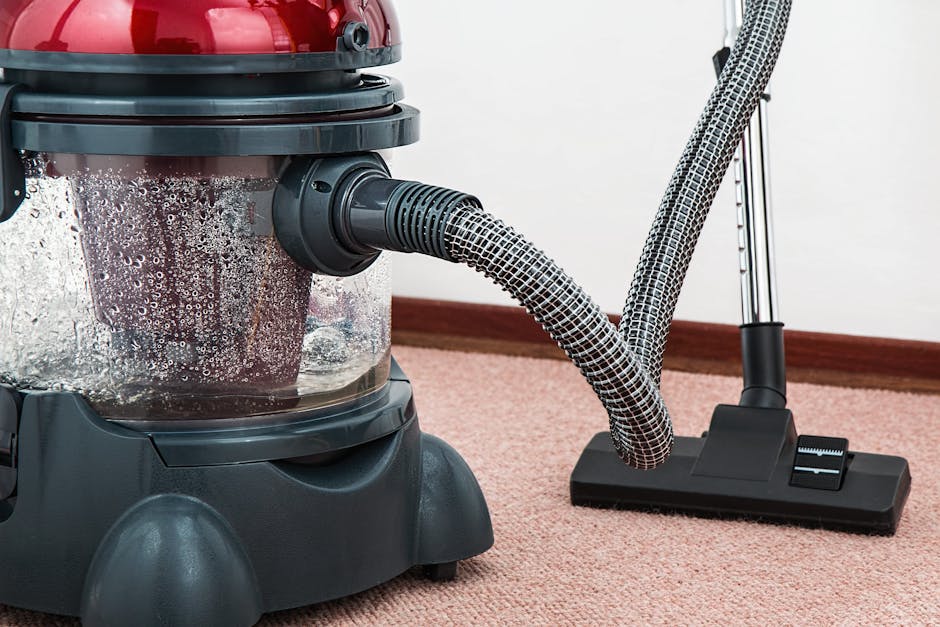
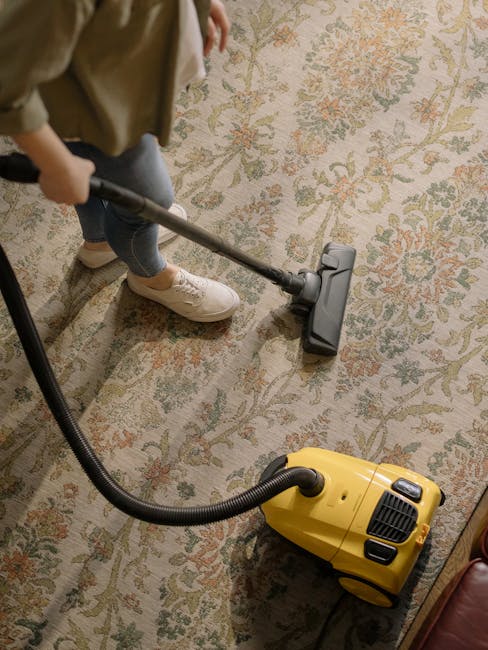
Carpet cleaning for Broadwalk Centre shops in Edgware
If you run a shop in or around Broadwalk Centre, you already know carpets take a beating. Morning footfall, winter grit, drink spills, muddy shoes, stock deliveries, and the odd sticky patch from a hurried customer all add up fast. Carpet cleaning for Broadwalk Centre shops in Edgware is not just about keeping things looking nice; it helps protect your flooring, supports a better first impression, and makes day-to-day maintenance feel less like a losing battle.
Truth be told, most commercial carpets do not look terrible all at once. They dull gradually. A bit of soil here, a flattened walkway there, and suddenly the shop feels tired even if the shelves are spotless. This guide explains what professional carpet cleaning involves, when it makes sense, how to prepare, what to avoid, and how shop owners can make smarter decisions without overcomplicating it.
For broader cleaning support, you may also find our carpet cleaning service useful, especially if your premises need more than a quick surface refresh. If you are comparing providers, it can help to understand the wider approach of a professional cleaning company and how that differs from a one-off tidy-up.
Expert summary: For retail units, the best carpet cleaning is the kind that removes visible marks, lifts embedded soil, dries sensibly, and fits around trading hours. The real win is not just a cleaner carpet; it is less wear, fewer complaints, and a shop that feels cared for.
Table of Contents
- Why Carpet cleaning for Broadwalk Centre shops in Edgware Matters
- How Carpet cleaning for Broadwalk Centre shops in Edgware Works
- Key Benefits and Practical Advantages
- Who This Is For and When It Makes Sense
- Step-by-Step Guidance
- Expert Tips for Better Results
- Common Mistakes to Avoid
- Tools, Resources and Recommendations
- Law, Compliance, Standards, or Best Practice
- Options, Methods, or Comparison Table
- Case Study or Real-World Example
- Practical Checklist
- Conclusion
- Frequently Asked Questions
Why Carpet cleaning for Broadwalk Centre shops in Edgware Matters
Retail carpets do a lot more work than people realise. In a shop, they are not just a floor covering. They are part of the customer journey. They sit under every step, every trolley wheel, every burst of rain from the entrance, and every near-miss with a coffee cup. That means the carpet can influence how clean, calm, and well-run a shop feels before anyone has spoken to staff.
In a busy centre environment, grime is often ground in quickly. Fine dust from the street, shoe residue, and fibres from packaging can become trapped in the pile. Once that happens, vacuuming alone starts to struggle. The carpet may still be technically clean enough to walk on, but it no longer looks or smells fresh. And let's face it, customers notice that sort of thing, even if only subconsciously.
Regular commercial carpet care also protects the flooring itself. Soil particles act a bit like sandpaper. Over time they wear down fibres, especially in entrance routes, till queues, fitting areas, and spaces near counters. Deep cleaning at the right intervals can slow that wear, which is a practical money-saving point for any shop owner trying to avoid replacing flooring too early.
There is another side to it too. Staff morale. A cleaner shop environment tends to feel easier to work in. It is a small thing on paper, but in real life a fresh floor can make the whole place feel more organised and less frazzled. You notice it at 8:30am before the doors open, when the lights are on and the air still feels still.
If your shop also uses textile furnishings, a broader approach can help. Services such as upholstery cleaning or rug cleaning may be relevant where seating, display rugs, or soft furnishings contribute to the overall look. And if the surrounding surfaces are letting the side down, a more general deep cleaning can bring everything back into line.
How Carpet cleaning for Broadwalk Centre shops in Edgware Works
Commercial carpet cleaning is usually more structured than domestic cleaning. The goal is not only to remove visible stains but also to lift embedded dirt, control moisture, and leave the floor ready for foot traffic as soon as possible. For shop premises, that balance matters. Too wet, and you create disruption. Too light, and the carpet still looks flat and dull. It has to be done properly. Simple as that.
Most professional visits start with an inspection. The cleaner looks at fibre type, pile condition, traffic lanes, stain patterns, and any areas that need extra care. A busy entrance mat area may need a different treatment from a stockroom corner or a fitting room carpet. This is where experience shows. What looks like one carpet is often three or four different cleaning problems.
From there, the process usually includes vacuuming, spotting, pre-treatment, agitation, extraction or encapsulation depending on the method, and then controlled drying. Some jobs also include deodorising or a protective treatment. The cleaner may also recommend changes to matting or maintenance frequency if the carpet is failing in one area faster than others.
For shop owners who also manage offices or back-of-house workspaces, it can be helpful to coordinate carpet care with office cleaning or support from office cleaners. That way the floors, desks, and touchpoints are maintained in a more joined-up way, rather than being treated as separate chores.
Typical stages in a professional visit
- Assessment: Check traffic areas, fibre type, stains, and access constraints.
- Preparation: Move light items if needed, protect edges, and set expectations for drying time.
- Vacuuming and pre-treatment: Remove loose debris and apply the right solution to loosen embedded soil.
- Cleaning method: Hot water extraction, low-moisture cleaning, or another suitable method depending on the carpet and business hours.
- Spot treatment: Deal with stubborn marks separately rather than scrubbing the whole area harshly.
- Drying and finishing: Improve airflow, replace moved items, and check for missed areas.
Hot water extraction is often chosen for heavily soiled commercial carpets because it can remove a lot of embedded dirt. Low-moisture methods can be useful when quicker drying is the priority. There is no single perfect method for every shop; that would be nice, but real floors are messier than that.
Key Benefits and Practical Advantages
The obvious benefit is appearance. A cleaned carpet looks brighter, fresher, and less tired. But for retail premises, the practical value goes further.
- Better first impressions: Customers are more likely to feel comfortable in a tidy, well-kept shop.
- Longer carpet life: Removing grit and soil reduces fibre wear.
- Improved hygiene: Regular cleaning helps remove dust, allergens, and everyday grime.
- Reduced odours: Helpful in shops with food, drink, heavy footfall, or damp entrances.
- More manageable maintenance: A maintained carpet is easier to keep on top of between deep cleans.
- Less visible patchiness: Even cleaning helps entrance zones and walkways look more consistent.
There is also a small but real commercial advantage. A shop that looks cared for often feels more trustworthy. That does not mean customers are walking in and doing a formal audit in their heads. They are not. But they do register cleanliness in a very instinctive way. A clean carpet quietly supports the rest of the brand.
For businesses with mixed flooring, it can be worth pairing carpet maintenance with hard floor cleaning in tiled or vinyl areas. That keeps the whole floor plan consistent, which matters more than people think when someone is walking from entrance to counter to changing area.
Who This Is For and When It Makes Sense
This service makes sense for a wide range of Broadwalk Centre shop operators. Clothing stores, gift shops, salons, electronics retailers, service counters, and small kiosks can all benefit if they have carpeted areas. The bigger the footfall, the more sense it makes. But even lower-traffic units can build up dirt around entrances and tills.
It is especially useful if you are noticing any of the following:
- walkways looking darker than the rest of the carpet
- stains that return after vacuuming
- a stale or slightly damp smell
- flattened pile in customer routes
- mats that are no longer enough on their own
- complaints from staff or customers about appearance
It also makes sense after a period of disruption. Think promotions, seasonal rushes, refurbishment dust, or a burst pipe scare that left the floor feeling not quite right. If there has been building work nearby, you may also need something more intensive such as after builders cleaning. That can be a good companion service when dust has settled everywhere, and not in a charming way.
Sometimes the best time to clean is just before a trading peak, not after the carpet is already shouting for help. A shop that expects a busier period can be easier to manage if the flooring starts from a clean baseline.
Step-by-Step Guidance
If you want a sensible approach to carpet cleaning for a shop unit, start with the basics and work from there. You do not need to over-engineer it, but you do need a plan.
1. Identify the traffic pattern
Look at where people actually walk. In many shops, the dirtiest areas are not the obvious ones. It might be the bend leading to the tills, the queue point by the door, or the narrow strip where staff keep turning with stock. Once you map those routes, you know what needs priority.
2. Decide what kind of clean is needed
A light refresh before a weekend promotion is different from a full restorative clean after months of heavy use. Be honest here. If there are dark lanes and stubborn marks, a surface-only approach will probably disappoint you.
3. Prepare the area
Move fragile items, check access times, and let staff know what parts of the shop will be unavailable. If there are cables, low displays, or delicate stands, they need to be out of the way. The fewer surprises on the day, the better.
4. Choose the cleaning method carefully
The right method depends on fibre, soil level, and drying constraints. Heavy extraction may suit deep soil. Low-moisture methods may suit tighter schedules. Ask what is best for your actual carpet, not just what sounds impressive in a brochure.
5. Protect drying time
Drying is a big deal in retail. If the carpet is still damp when footfall resumes, dirt can transfer back immediately and the result will feel disappointing. Good airflow, sensible timing, and clear signposting help a lot.
6. Review the result and maintenance plan
Once the job is complete, check the high-traffic areas, the edges, and any recurring stain spots. Then decide what the next maintenance step should be. A clean today and chaos next week is not a plan. It just feels like one.
Expert Tips for Better Results
Over time, a few habits make the biggest difference. None of them are glamorous, but they work.
- Use entrance mats properly: Good mats catch grit before it reaches the carpet. The trick is keeping them clean too.
- Vacuum more often than you think: In busy retail, frequent vacuuming reduces abrasion and keeps the carpet looking presentable.
- Deal with spills quickly: The longer a spill sits, the more likely it is to bind into the fibre.
- Rotate attention to problem areas: Don't always focus on the obvious centre of the room. Edges and entrances can be worse.
- Match the method to the fibre: Delicate carpet needs a gentler approach than a hard-wearing commercial loop pile.
- Work around trading rhythms: Early morning or late evening cleans often cause less disruption.
A practical little trick: keep a simple stain log. Nothing fancy. Just note what happened, where, and when. It helps spot patterns, especially if the same area keeps getting marked by drinks, shoes, or packaging tape. You start to notice the shop's habits. Slightly annoying, but useful.
If your stockroom or back-of-house area includes fabric seating or waiting areas, linking carpet care with sofa cleaning or broader upholstery cleaning can keep the whole customer-facing environment consistent.
Common Mistakes to Avoid
Most carpet cleaning problems are not dramatic. They are the result of small mistakes repeated over time. The good news? They are avoidable.
- Waiting too long: Letting soil build up makes the carpet harder to recover.
- Using too much water: Over-wetting can slow drying and encourage wicking, where stains rise back up later.
- Scrubbing stains aggressively: That can damage fibres and spread the mark further.
- Ignoring edge zones: Dirt often collects along skirting and around fixtures where vacuum heads miss.
- Choosing speed over suitability: The fastest method is not always the right one for the carpet.
- Not planning for business hours: A poor schedule can turn cleaning into a nuisance rather than an asset.
One mistake that crops up a lot is assuming a carpet is beyond saving because one area looks terrible. Often it is not. Sometimes a careful treatment sequence, plus the right drying setup, makes a bigger difference than people expect. Not magic, just method.
Tools, Resources and Recommendations
For shop owners, the most useful tools are often simple and practical. You do not need a warehouse of gadgets. You need the right equipment used well.
| Tool or resource | Why it helps | Best use |
|---|---|---|
| Commercial vacuum cleaner | Removes dry soil before it grinds into the carpet | Daily or near-daily maintenance |
| Microfibre spot cloths | Helps blot spills without pushing them deeper | Immediate spill response |
| Entrance mats | Captures grit at the doorway | High-traffic entrances |
| Air movers or ventilation | Speeds drying after a clean | When downtime is limited |
| Professional inspection | Identifies the right method and risk areas | Before scheduled cleaning |
It can also help to compare carpet work with other related services. For example, if your shop is experiencing recurring dust from nearby work, one-off cleaning may be a sensible add-on. If the overall premises need a more structured clean, a coordinated office cleaning style routine for back-of-house areas can keep standards more consistent.
And if you are choosing between providers, ask a few straightforward questions: What method will they use? How long will drying take? What happens if there is a stain that needs extra treatment? Do they carry suitable insurance? Those questions separate a quick sales pitch from a proper service conversation.
Law, Compliance, Standards, or Best Practice
For retail premises, carpet cleaning is not usually about one single law or one strict cleaning rule. It is more about sensible workplace management, general duty of care, and keeping the environment safe for staff and visitors. In the UK, that means thinking about slip risks, obstruction, safe use of cleaning products, and clear communication when floors are being cleaned.
Best practice in a busy commercial space normally includes:
- using products and methods appropriate for the carpet fibre
- keeping walkways safe during and after cleaning
- making sure drying is sufficient before reopening areas to footfall
- storing equipment and chemicals responsibly
- briefing staff when access changes are needed
If you are choosing a provider, look for signs that they work in a careful, documented way. A company that takes insurance and safety seriously is usually a better fit for commercial premises than someone who just says, "we'll be quick." Quick is fine. Careless is not.
It is also sensible to understand the cleaner's approach to health and safety and complaints handling. Clear terms, realistic scheduling, and transparent expectations matter. Not glamorous, perhaps, but very reassuring when you are running a shop and every hour counts.
Options, Methods, or Comparison Table
Different cleaning methods suit different shop conditions. Here is a simple comparison to help frame the decision.
| Method | Best for | Advantages | Watch-outs |
|---|---|---|---|
| Hot water extraction | Heavy soil and deep-set grime | Strong cleaning power, good for restoration | Longer drying time if not managed well |
| Low-moisture cleaning | Busy shops that need faster turnaround | Quicker drying, less disruption | May need more frequent follow-up on very dirty carpets |
| Spot and maintenance cleaning | Fresh stains and in-between care | Fast, targeted, inexpensive to maintain | Not enough on its own for heavily soiled floors |
| Restorative deep clean | Carpets that look tired or patchy | Can revive appearance significantly | Needs planning and proper downtime |
To be fair, many shops need a mix of methods over the year rather than one fixed approach. That is normal. A good cleaner will not try to force the same system onto every carpet in every room.
Case Study or Real-World Example
Picture a small fashion shop near the centre with a carpeted entrance path and a fitting-room corridor. For months, staff have been vacuuming regularly, but the walkway still looks grey, and the carpet near the door has a faint muddy tint from wet days. Nothing dramatic. Just enough to make the place feel a bit flat.
When the floor is inspected, the main issue is embedded grit rather than one dramatic stain. The entrance has been doing most of the heavy lifting, and the pile has started to look compressed. The solution is not to attack it with more vacuuming. It needs a proper clean, targeted pre-treatment on the traffic lane, and sensible drying with the shop closed for a short window.
After the clean, the carpet does not look new, and nobody sensible would promise that. But it does look brighter, more even, and better aligned with the rest of the store. Staff notice it first. Customers usually just feel the difference. The room seems fresher. Less tired. That quiet improvement can matter a lot in retail, especially when the rest of the shop is already working hard to create a nice atmosphere.
In another example, a unit with soft seating and a small waiting area might combine floor cleaning with regular cleaners for ongoing upkeep and one-off cleaning after a busy promotional period. That kind of joined-up maintenance tends to age better than random rescue jobs.
Practical Checklist
Use this checklist before booking or arranging a clean for a shop carpet:
- Check where the highest footfall happens.
- Identify visible stains, odours, and flattened traffic lanes.
- Decide whether cleaning should happen before, during, or after trading hours.
- Move fragile displays and loose items out of the way.
- Confirm the likely drying time and reopening window.
- Ask which cleaning method suits the fibre and soil level.
- Make sure staff know which areas are off-limits during the visit.
- Prepare signs or barriers if needed for damp flooring.
- Review whether adjacent services would help too, such as upholstery or hard floor care.
- Set a follow-up maintenance plan so the result lasts longer.
One small, practical note: keep entrance mats clean before the main clean, not after. It sounds obvious, but it genuinely helps the result last. Small habits, big difference.
Conclusion
Carpet cleaning for Broadwalk Centre shops in Edgware is really about keeping a retail space presentable, safe, and easier to maintain over time. The best results come from choosing the right method, timing the work carefully, and giving just as much thought to prevention as to the clean itself. That is what separates a quick fix from a proper long-term approach.
If your shop carpets are starting to look worn, patchy, or a little dull around the edges, do not wait until they become a distraction. A well-planned clean can make the whole unit feel sharper and more welcoming, and often that is enough to lift the space in a way people can feel but not always explain.
Get a free quote today and see how much you can save.
And if you want to understand more about the team behind the work, take a look at our about us page or review our pricing and quotes information before making a decision. A little clarity goes a long way, especially in retail.
In the end, a cleaner carpet is not just a cleaner floor. It is a calmer shop, a better welcome, and one less thing to worry about on a busy day. That counts for a lot.
Frequently Asked Questions
How often should shop carpets in Broadwalk Centre be cleaned?
It depends on footfall, carpet type, and how close the shop sits to entrances or busy walkways. High-traffic units often need more regular professional cleaning than quieter spaces. Many shop owners find that waiting until the carpet looks bad is too late; a planned schedule works better.
What is the best carpet cleaning method for retail shops?
There is no single best method for every shop. Heavy soil may need hot water extraction, while shops that need quicker turnaround may benefit from a low-moisture method. The right choice usually depends on the fibre, the amount of dirt, and how quickly the area must be back in use.
Will the carpet be too wet to reopen the shop?
It should not be if the work is planned properly. Drying time depends on the method used, the ventilation, and the level of soil. A good cleaner will explain the expected downtime and help you plan around trading hours so the shop can reopen safely.
Can carpet cleaning remove old stains?
Often it can improve them significantly, but not every stain can be fully removed. Age, fibre type, and what caused the mark all matter. A coffee spill, a gum mark, and a dye transfer problem are handled very differently. It is better to ask for an honest assessment than a promise that sounds too neat.
Is carpet cleaning disruptive for customers?
It can be, if it is done without planning. But many shop cleans are scheduled early, late, or during quieter trading periods to minimise disruption. Clear signage and good timing make a big difference. Most customers are patient if they can see the space is being looked after.
Does carpet cleaning help with odours?
Yes, it often helps a lot, especially where carpets have absorbed shoe dirt, food smells, or damp from entrances. If an odour has soaked deeply into the carpet, more than one treatment may be needed. Sometimes the smell is also tied to upholstery or nearby flooring, so the whole area should be assessed.
Should shop owners vacuum before a professional clean?
Usually yes. A thorough vacuuming beforehand removes loose debris and helps the professional clean work more effectively. It is a simple step, but it improves the final result. Think of it as clearing the path before the real job begins.
Can carpet cleaning be combined with other services?
Absolutely. Many businesses pair it with services such as hard floor cleaning, window cleaning, or deep cleaning to keep the whole shop looking consistent. That often makes more sense than treating each area separately at random times.
What should I ask before booking a carpet cleaner?
Ask what method they use, how long drying will take, whether they have insurance, and how they handle stubborn stains. You can also ask about scheduling around business hours and whether they can assess traffic lanes and entrance areas before starting. Those questions usually reveal whether the service is a good fit.
Is commercial carpet cleaning worth it for a small shop?
Usually yes, even for smaller units. Small shops still take on grit, spills, and wear, especially near entrances. A clean carpet can improve the shop's appearance and reduce long-term damage. If the carpet is part of the customer-facing area, it earns its keep every day.
What if my shop carpet is already looking worn?
That does not automatically mean replacement. In many cases, a proper clean can lift the appearance and buy more time. A site assessment is the sensible next step, because wear, staining, and fibre condition all affect what is realistic. Sometimes the carpet just needs care, not a farewell.
Can I book carpet cleaning alongside other cleaning services?
Yes, and for many businesses that is the neatest approach. Depending on your needs, you may also want office cleaning, sofa cleaning, or after builders cleaning. Coordinating the work can save time and help the whole premises feel more polished.